Restored: Pre & post‑op lymphatic care in Ayrshire
Pre- and Post‑Operative Manual Lymphatic Drainage at Aurah Wellbeing, Prestwick
Undergoing surgery marks a significant step in your health or aesthetic journey. How you prepare beforehand and care for your body afterwards can profoundly influence comfort, healing and outcomes.
At Aurah Wellbeing, Prestwick, our
Manual Lymphatic Drainage (MLD) programmes are delivered with clinical precision and compassionate attention, tailored to support safer, smoother recovery and restore balance with grace.
What is Pre & Post‑Op MLD?
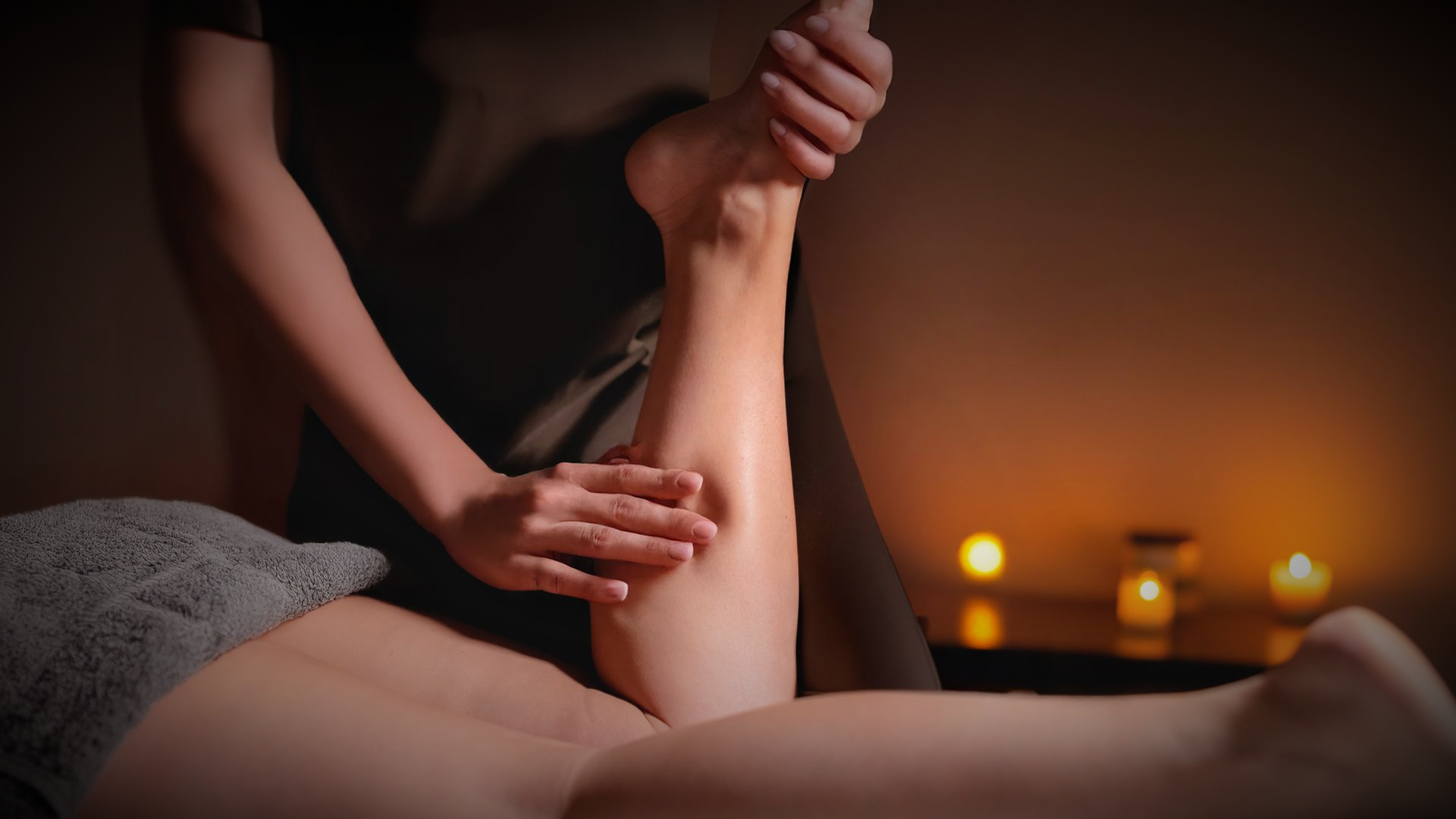
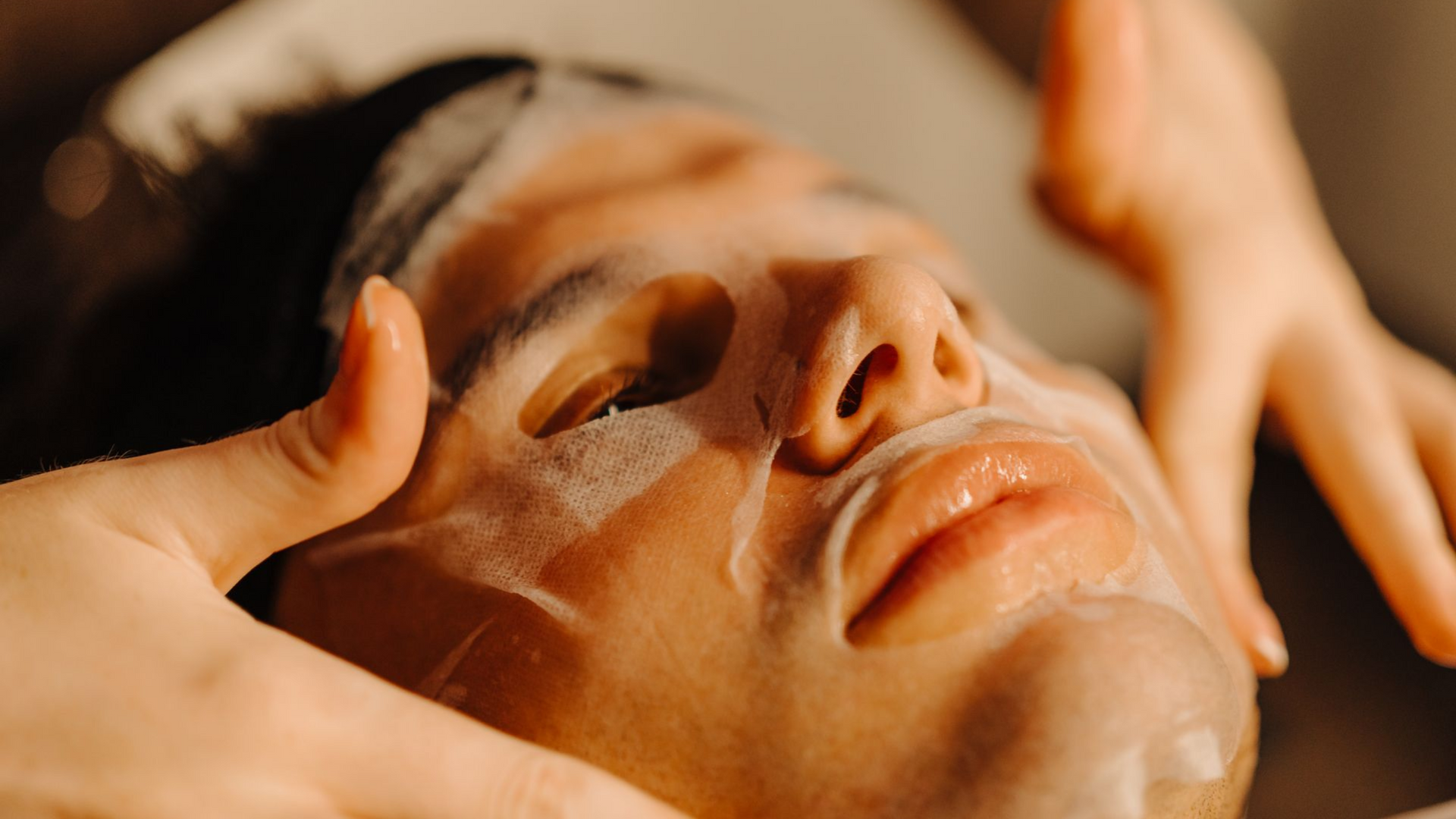
Manual Lymphatic Drainage is a soft, rhythmic therapy that encourages the lymphatic system to move fluid and reduce congestion.
Delivered with expert care, MLD can:
Reduce post‑operative swelling and inflammation
Manual Lymphatic Drainage (MLD) uses slow, rhythmic, directional strokes to encourage movement of excess interstitial fluid away from the surgical site and towards functioning lymphatic pathways. By accelerating the clearance of inflammatory proteins and cellular debris, MLD reduces tissue oedema, eases pressure on nerves and vessels, and diminishes the tightness and stiffness that limit early mobility. Less swelling not only improves comfort and posture but also lowers the risk of secondary complications such as delayed wound healing and wound dehiscence, enabling a steadier, more predictable recovery.
Minimise bruising and the risk of haematoma
Gentle MLD assists the dispersion and reabsorption of pooled blood and serous fluid beneath the skin, which helps to limit the extent and duration of postoperative ecchymosis. Early, appropriately timed treatment reduces local congestion and the inflammatory cascade that contributes to pronounced bruising. By promoting gradual and controlled fluid removal, MLD also lowers the chance of haematoma formation — a concentrated collection of blood that can cause pain, pressure and potential infection — thereby decreasing the likelihood of further interventions or delayed rehabilitation.
Encourage effective lymphatic flow to prevent fluid build‑up and fibrosis (hardening of tissues)
When lymphatic drainage is sluggish, retained protein‑rich fluid can become organised into fibrotic tissue, producing hardening, tethering and loss of tissue elasticity. MLD restores and optimises lymphatic pathways, preventing prolonged stagnation and the biochemical signalling that leads to fibrosis. By maintaining tissue pliability and reducing chronic congestion, MLD helps preserve contour and function, lessens the formation of uncomfortable nodules or adhesions, and supports more favourable long‑term structural outcomes.
Support tissue repair, reduce discomfort and promote a more efficient recovery
Beyond fluid management, MLD creates a microenvironment more conducive to tissue repair: improved clearance of metabolic waste, enhanced nutrient and oxygen delivery via secondary circulatory effects, and modulation of local inflammatory activity. Patients frequently report reduced soreness, less tightness and improved sleep — all factors that contribute to better rest and metabolic recovery. By
easing pain and restoring comfort, MLD enables earlier, safer mobilisation and participation in physiotherapy, accelerating return to normal activities and shortening overall recovery timelines.
Why pre‑operative sessions matter
Preparing the lymphatic system before surgery establishes a firmer foundation for healing. Aurah's trained therapists recommend pre‑operative MLD within the two weeks prior to your procedure.
Benefits include:
Opening and optimising lymphatic pathways to improve drainage
Pre‑operative MLD gently primes the lymphatic network, clearing proximal pathways so fluid can move efficiently from the operative site immediately after surgery. This preparatory work reduces the likelihood of early congestion, enabling swifter post‑op clearance of inflammatory fluid and lowering the initial oedema response that often dictates comfort and mobility in the first days after a procedure.
Enhancing circulation and tissue oxygenation to aid resilience
Targeted lymphatic work supports secondary circulatory improvements in the treated region, helping microvessels deliver oxygen and nutrients more effectively. Improved perfusion enhances tissue resilience to surgical trauma, reduces superficial bruising, and creates a healthier biochemical environment that supports cell repair and resistance to infection.
Reducing baseline fluid retention and tension to lessen immediate post‑op swelling
Many clients carry low‑level congestion and soft‑tissue tightness that can amplify post‑operative swelling. Pre‑op sessions reduce the baseline fluid load and release fascial tension, so there is less fluid available to accumulate after surgery. The result is typically a smaller, more manageable inflammatory surge, with reduced discomfort and an earlier return to movement.
Supporting emotional calm and bodily readiness ahead of anaesthesia and intervention
MLD’s gentle, rhythmic techniques soothe the autonomic nervous system, lowering anxiety and muscular tension before hospital admission. Arriving for surgery physically calmer and more relaxed can improve sleep, reduce perioperative stress responses and contribute to a smoother perioperative experience overall — benefits that support both immediate recovery and longer‑term wellbeing.
Bespoke post‑operative care
Recovery is highly individual. At Aurah Wellbeing, we shape each post‑operative treatment plan around your procedure, stage of healing and personal needs.
Typical elements include:
Progressive MLD techniques adapted to operative site and healing stage
Post‑operative MLD is staged and highly individualised. Early sessions focus on gentle, proximal drainage to reduce central congestion and lower hydrostatic pressure at the wound site, using very light, rhythmic strokes that respect tissue fragility. As healing progresses and clinical signs permit, techniques become more directed: segmental clearing, targeted decongestion of edematous areas, and mobilisation to encourage lymphatic collateralisation. Each adjustment is informed by wound appearance, pain levels and surgical guidance, ensuring treatment supports healing without overstressing delicate tissues.
Advice and practical support with compression garments, foam dressings and positioning to enhance drainage and comfort
Compression and correct positioning are essential complements to MLD. Our therapists provide pragmatic advice on selecting appropriate garments, ensuring proper fit, and applying graduated pressure to support even fluid dispersal and tissue apposition. We explain safe use of foam and padding to protect contours, and recommend postures and sleeping positions that facilitate drainage and reduce tension on sutures. Practical guidance also covers the timing of garment wear, signs of inappropriate pressure and when to liaise with your surgical team.
Scar management using gentle mobilisation and skin care once wounds have sufficiently healed
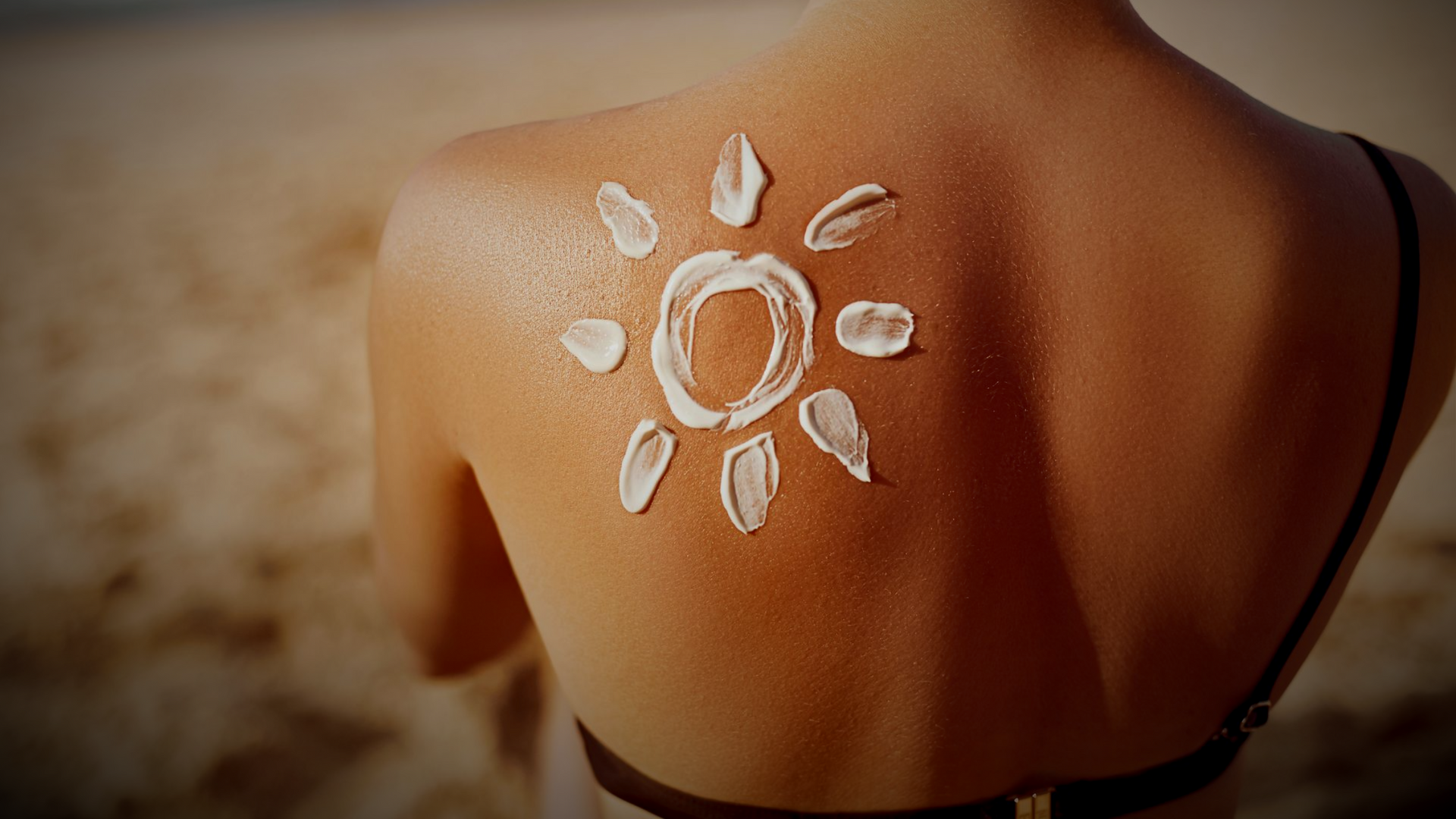
Once the wound has epithelialised and your surgeon approves, scar work begins with delicate desensitisation and superficial mobilisation to prevent adhesions and improve pliability. Techniques progress from light circular mobilisation to deeper, directional work and myofascial release as tolerance increases. Complementary skin care—silicone sheeting, hydrating emollients and sun protection—supports tissue quality and aesthetics. Interventions are paced to respect scar maturity and minimise inflammation, with clear home‑care instructions to maintain progress between sessions.
Rehabilitation support to encourage gentle restoration of mobility while protecting fragile tissues
MLD is integrated with functional rehabilitation goals to balance protection and progressive loading. Treatments aim to reduce swelling and stiffness that restrict joint range of motion, enabling safer, earlier participation in physiotherapy and gentle active movement. Therapists provide bespoke mobilisation exercises, pacing strategies and activity modifications to restore strength and flexibility without compromising the repair process. Close communication with physiotherapists and surgeons ensures a coordinated plan that prioritises tissue integrity while steadily restoring confidence, posture and everyday function.
Our therapists dedicate themselves to understanding your surgery, your body, and your emotions, tailoring each session to ensure you feel supported throughout your healing journey.
Not limited to cosmetic procedures
While Manual Lymphatic Drainage massage is commonly associated with cosmetic aftercare, its benefits extend to a wide range of surgical recoveries.
While MLD is widely recognised in aesthetic aftercare, its therapeutic value extends across many surgical disciplines. Following orthopaedic operations — including hip, knee and shoulder replacements — targeted lymphatic care can significantly reduce postoperative swelling and stiffness, improve pain control and facilitate earlier participation in physiotherapy, all of which support better functional outcomes (NHS guidance on joint replacement recovery). After vascular or soft‑tissue procedures, MLD helps control oedema, supports venous return and can reduce the risk of chronic swelling that impairs rehabilitation (NHS lymphoedema information).
MLD is also beneficial in contexts such as trauma surgery, abdominal and gynaecological procedures, and oncology‑related operations where lymphatic disruption or immobilisation contributes to fluid accumulation and limited mobility. By accelerating fluid clearance and restoring tissue pliability, MLD aids pain management, reduces reliance on analgesia, and improves tolerance of prescribed exercise programmes — important factors in multidisciplinary recovery pathways endorsed by professional bodies such as the Chartered Society of Physiotherapy and the British Lymphology Society.
For more information on MLD and postoperative rehabilitation, see
Versus Arthritis on managing post‑operative swelling and mobility, and clinical practice summaries from professional surgical and rehabilitation organisations such as the
British Orthopaedic Association.
Safety & consultation
To ensure the most appropriate and safe course of treatment, a pre‑treatment consultation is required. This helps us set clear expectations and provide tailored guidance to support your recovery at every stage.
During this assessment, we will:
Review
your medical history and details of the planned or completed surgery.
Assess
lymphatic function, local tissue quality and any contraindications.
Agree
on a personalised treatment schedule and timelines for pre‑ and post‑operative sessions.
Poised for Healing
If you are considering MLD as part of your surgical plan or are recovering and seeking specialist lymphatic support, Aurah Wellbeing in Prestwick offers discreet, expert care delivered in a calm, restorative environment.
Please book a consultation with our therapists to discuss your procedure and create a bespoke recovery plan to optimise healing and restore your wellbeing with confidence.
Frequently Asked Questions About PRE- AND POST-OP MLD
What is Manual Lymphatic Drainage (MLD) and how will it help my surgery recovery?
MLD is a specialist, gentle massage that stimulates lymphatic flow to reduce swelling, disperse fluid and inflammatory by‑products, minimise bruising and support tissue pliability—helping to ease discomfort, improve mobility and speed a smoother recovery.
When should I start pre‑operative MLD and how many sessions will I need?
We recommend starting within the two weeks before surgery. Typical pre‑op care is 1–3 sessions, depending on the procedure, baseline congestion and your surgeon’s timetable; your therapist will propose a personalised schedule at consultation.
Is MLD safe after all types of surgery?
MLD is safe when appropriately timed and adapted to the procedure and wound status. It is contraindicated in certain acute medical conditions (active infection, acute DVT, unstable cardiac/renal failure). A consultation and liaison with your surgical team ensures treatments are clinically appropriate.
How does MLD work alongside compression garments, foam and physiotherapy?
MLD complements compression and padding by reducing fluid load before and after garment use; therapists advise on the correct garment type, fit, and timing. Reduced swelling from MLD often improves tolerance for physiotherapy, allowing earlier, more effective mobilisation and rehab.
When can scar work begin and what results can I expect?
Scar management usually starts once wounds are clinically healed and your surgeon approves. Gentle desensitisation, mobilisation and skin care (silicone, moisturisers, sun protection) help soften scars, prevent adhesions and improve appearance and mobility over months; multiple sessions and home care optimise outcomes.
SHARE THIS PAGE