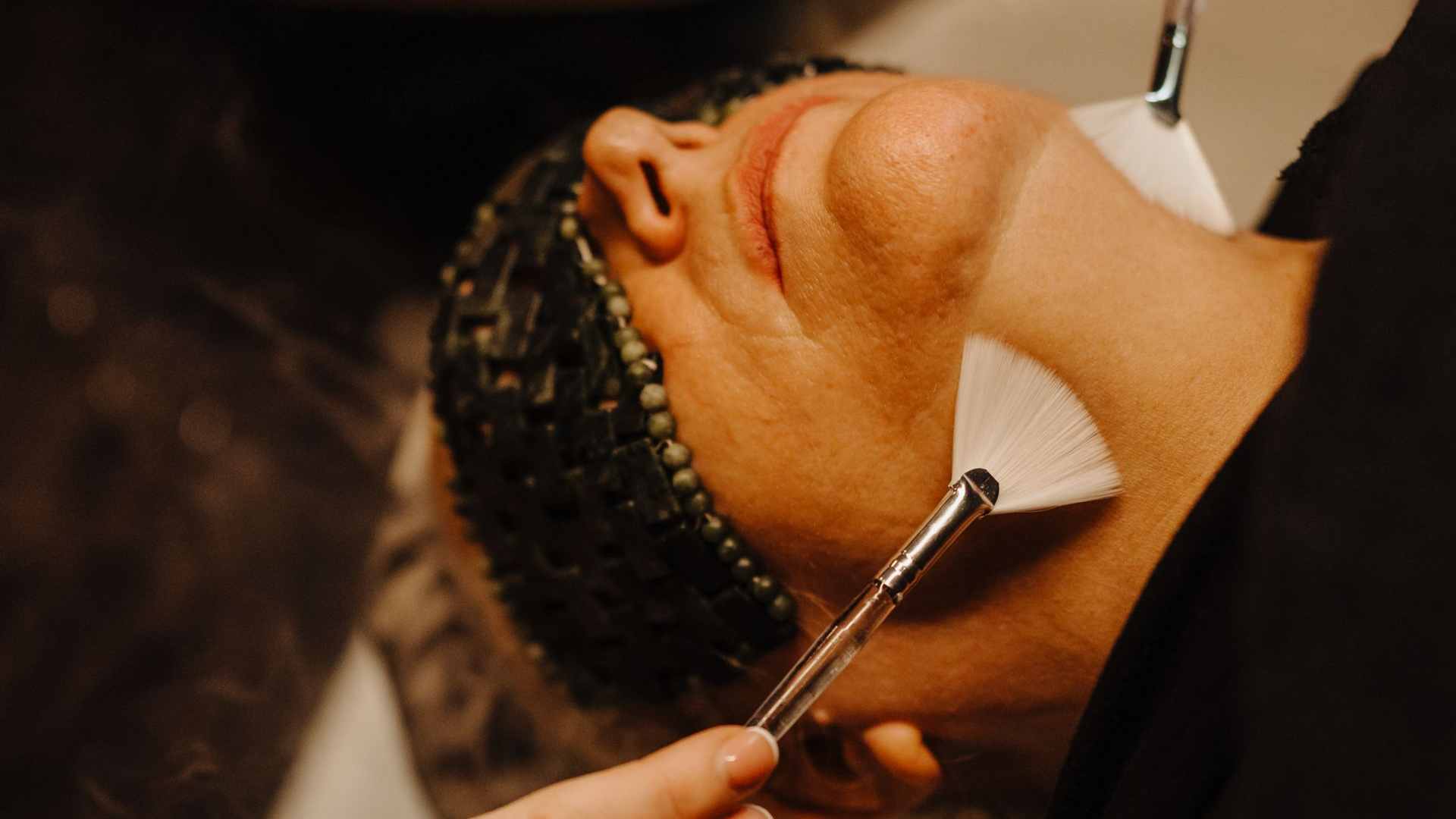
Rituals for regrowth: head spa care after weight loss
If you’re experiencing hair thinning after starting weight-loss medication, you’re not alone. WE EXPLAIN HOW A Japanese head spa CAN HELP.
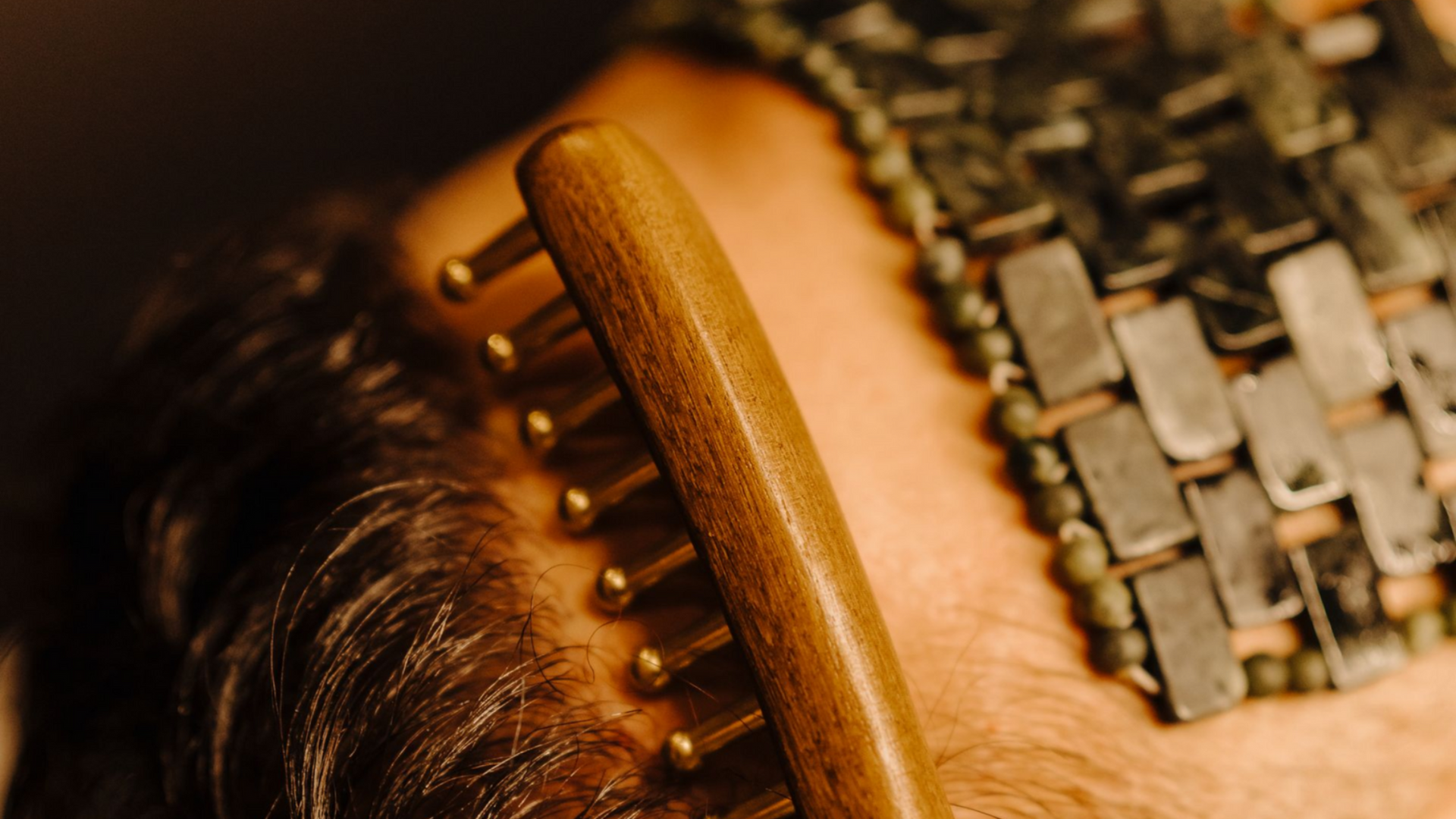
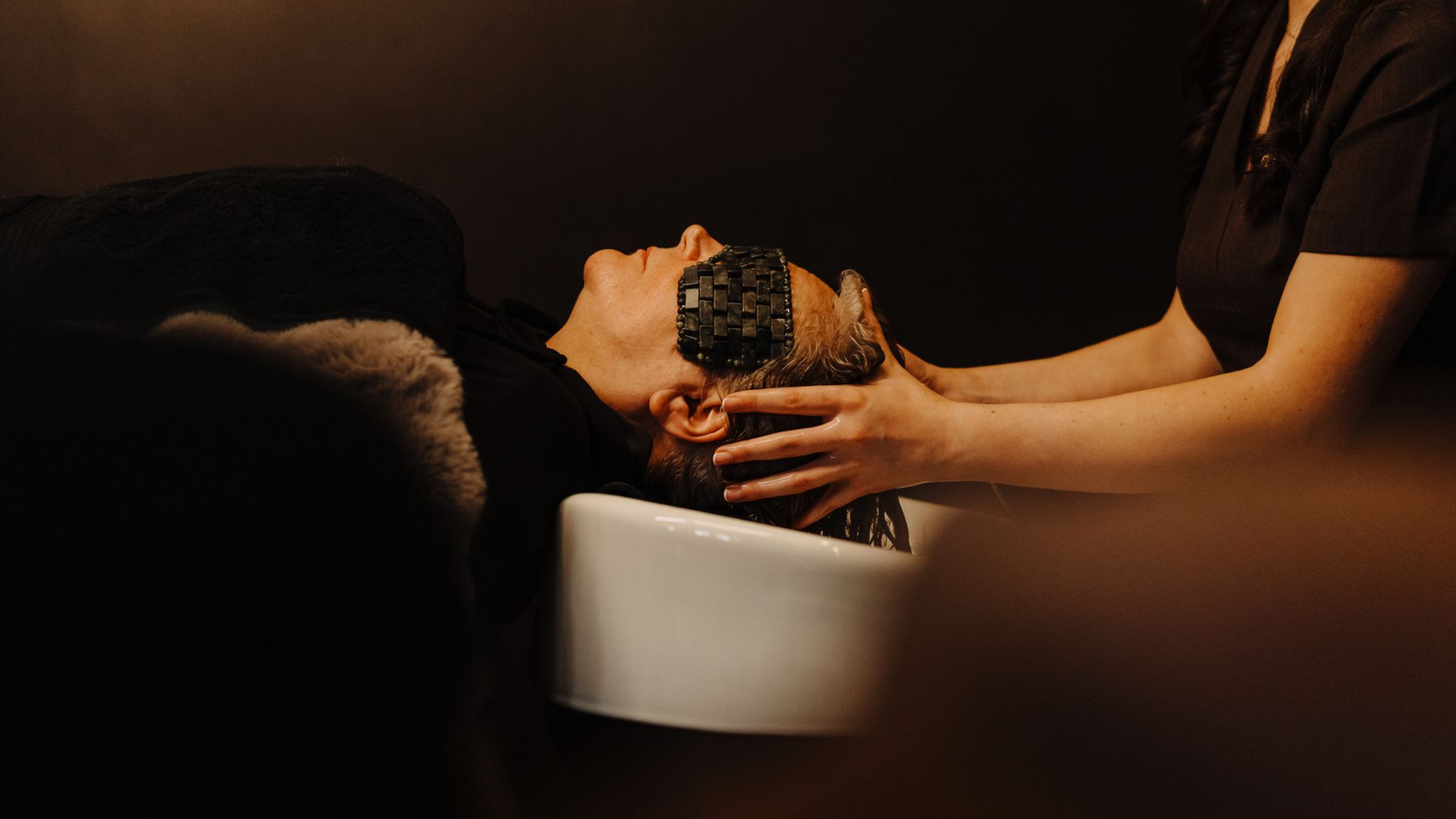
Stress, certain medications, treatments such as chemotherapy, and the rapid physiological changes that accompany weight loss can trigger telogen effluvium (temporary shedding) or exacerbate underlying scalp issues. A Japanese head spa — such as the signature treatments offered at Aurah — targets the scalp's root environment and can help promote healthier hair growth while reducing shedding.
How a Japanese Head Spa CAN Help
Deep cleansing and detoxification
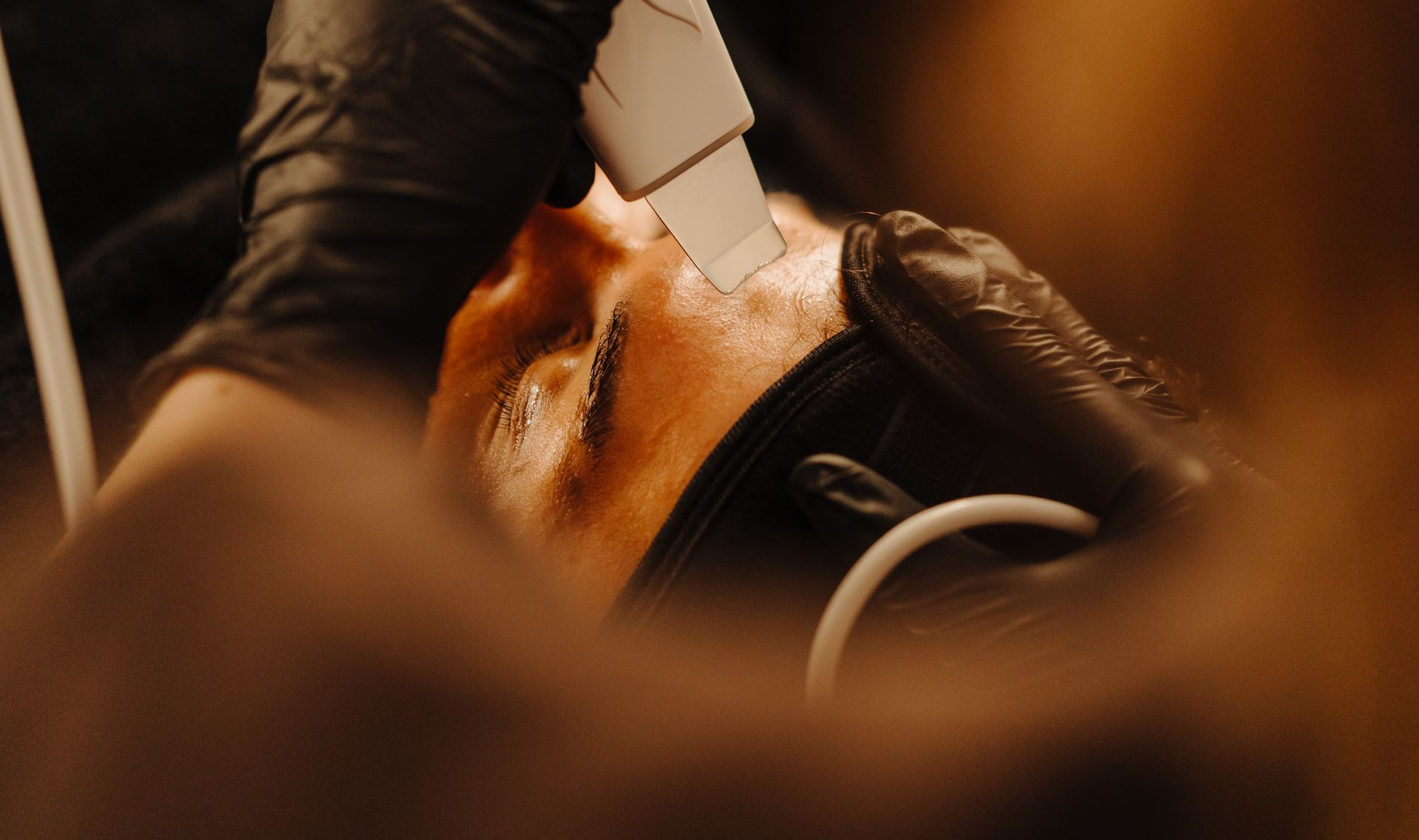
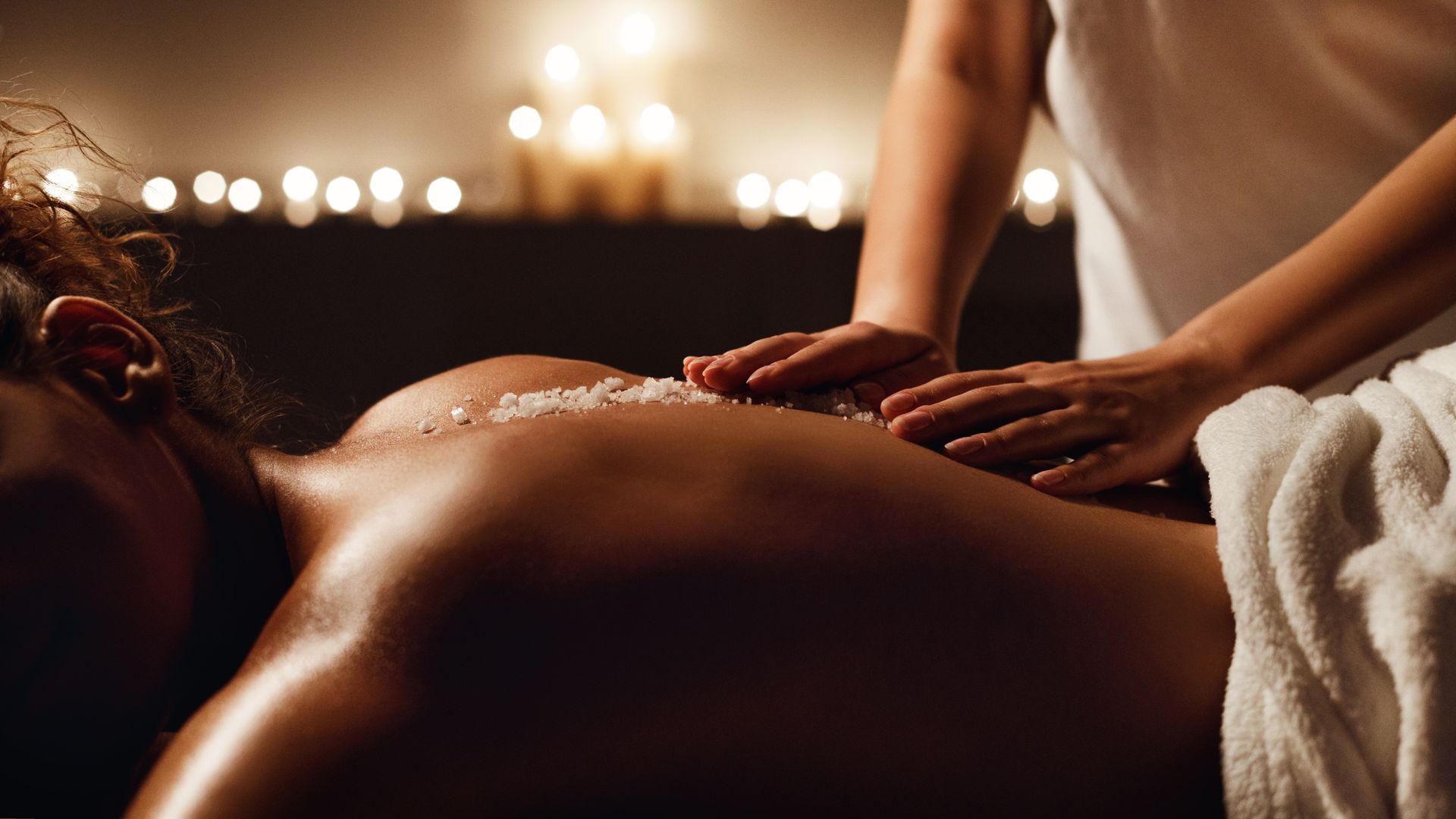
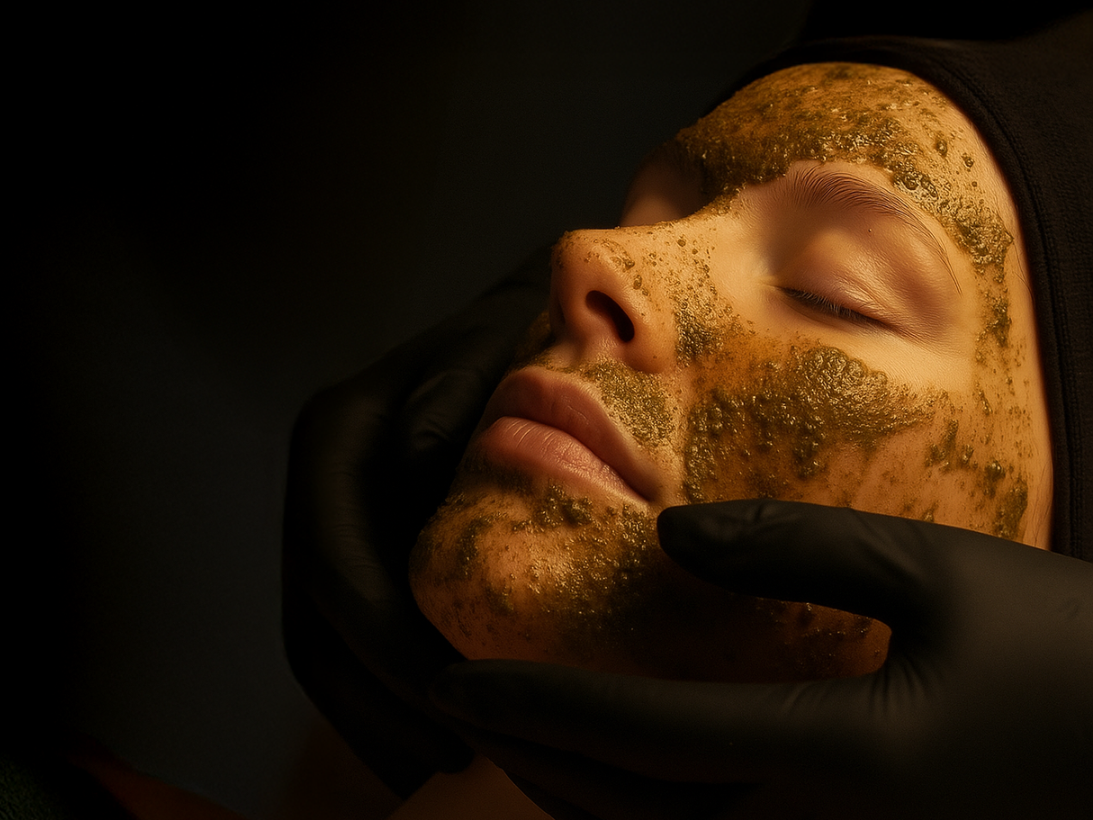
Professional scalp exfoliation and steam treatments remove product buildup, excess sebum and dead skin cells that can clog follicles and inhibit healthy hair growth.
Improved blood circulation
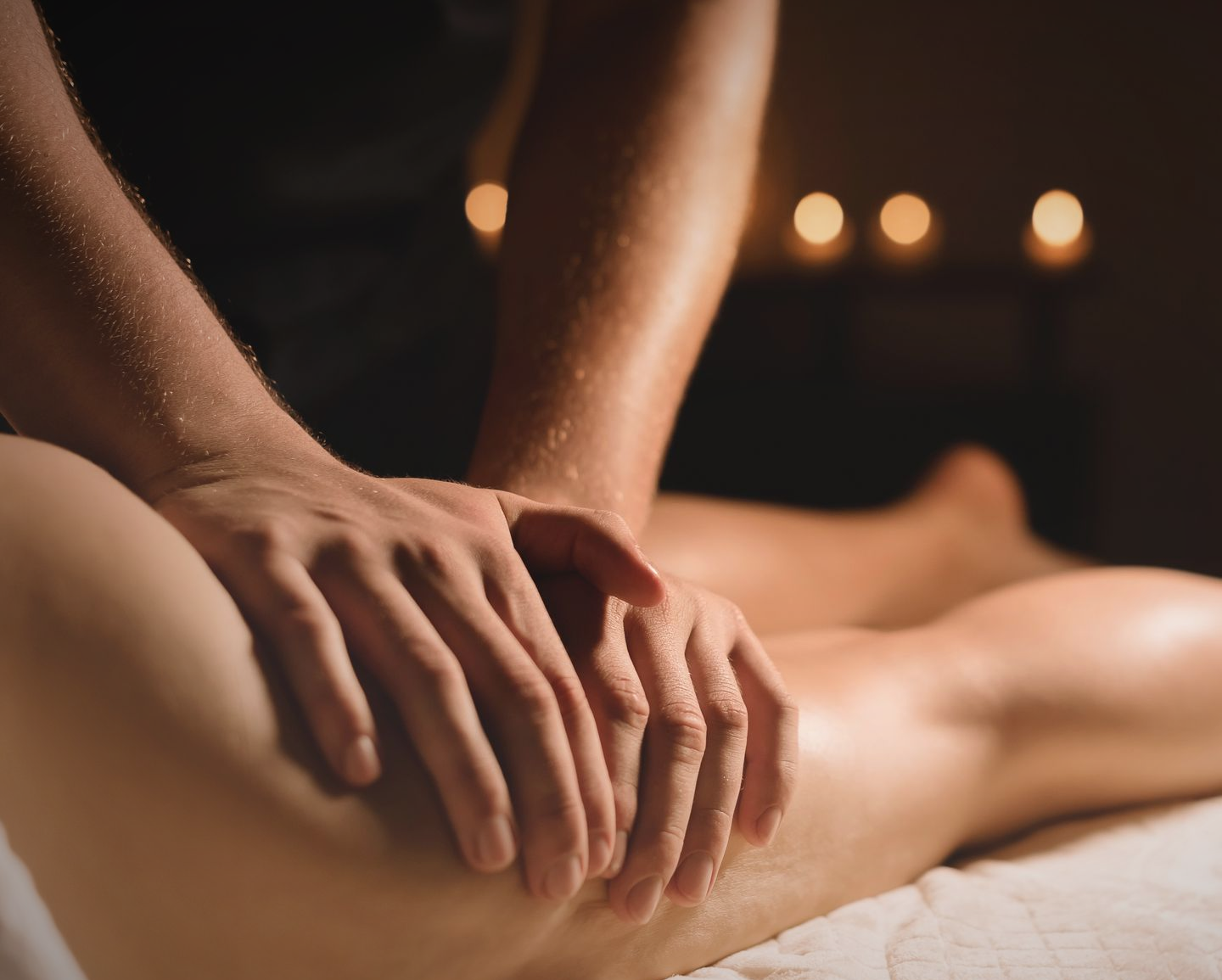
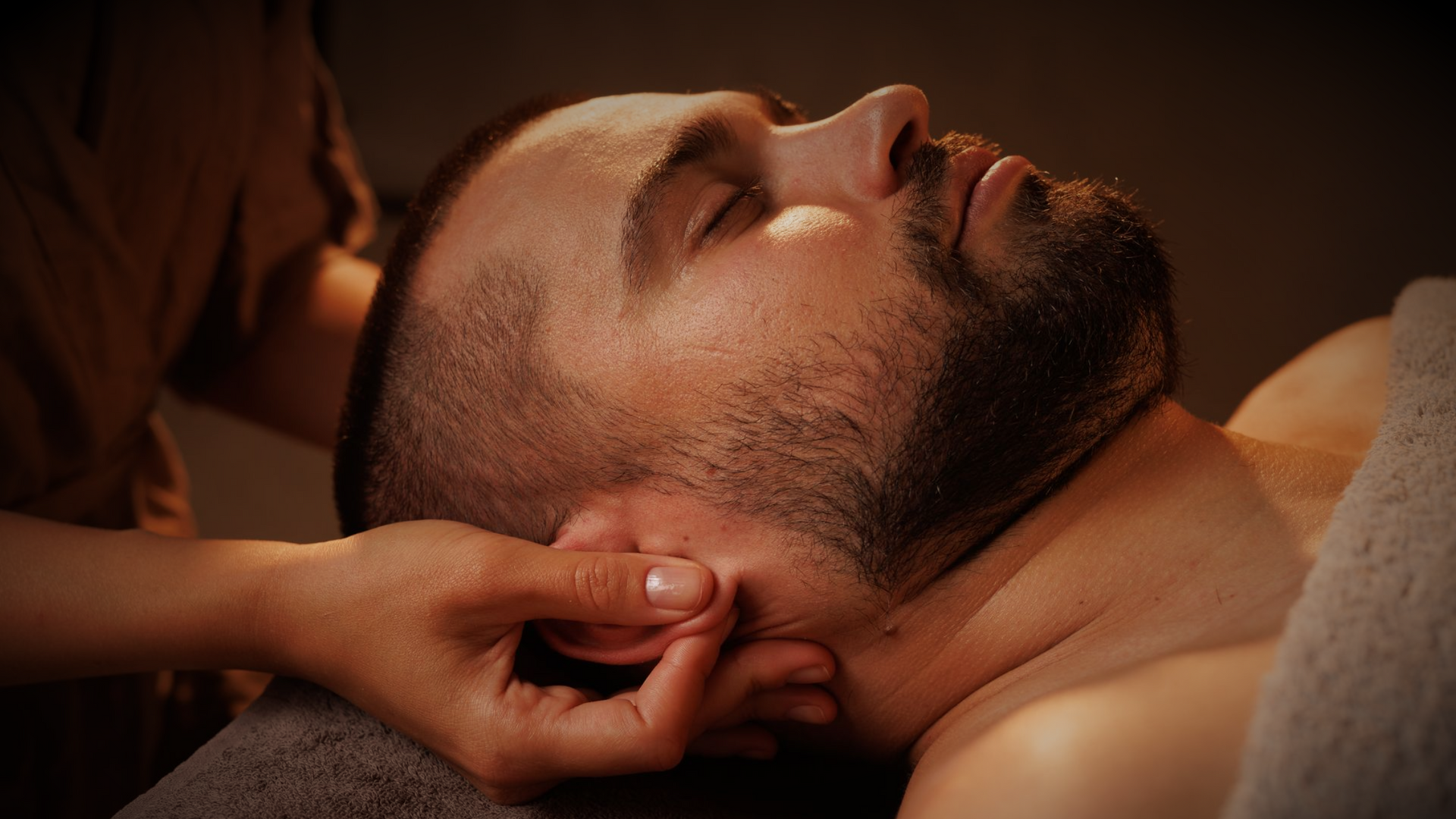
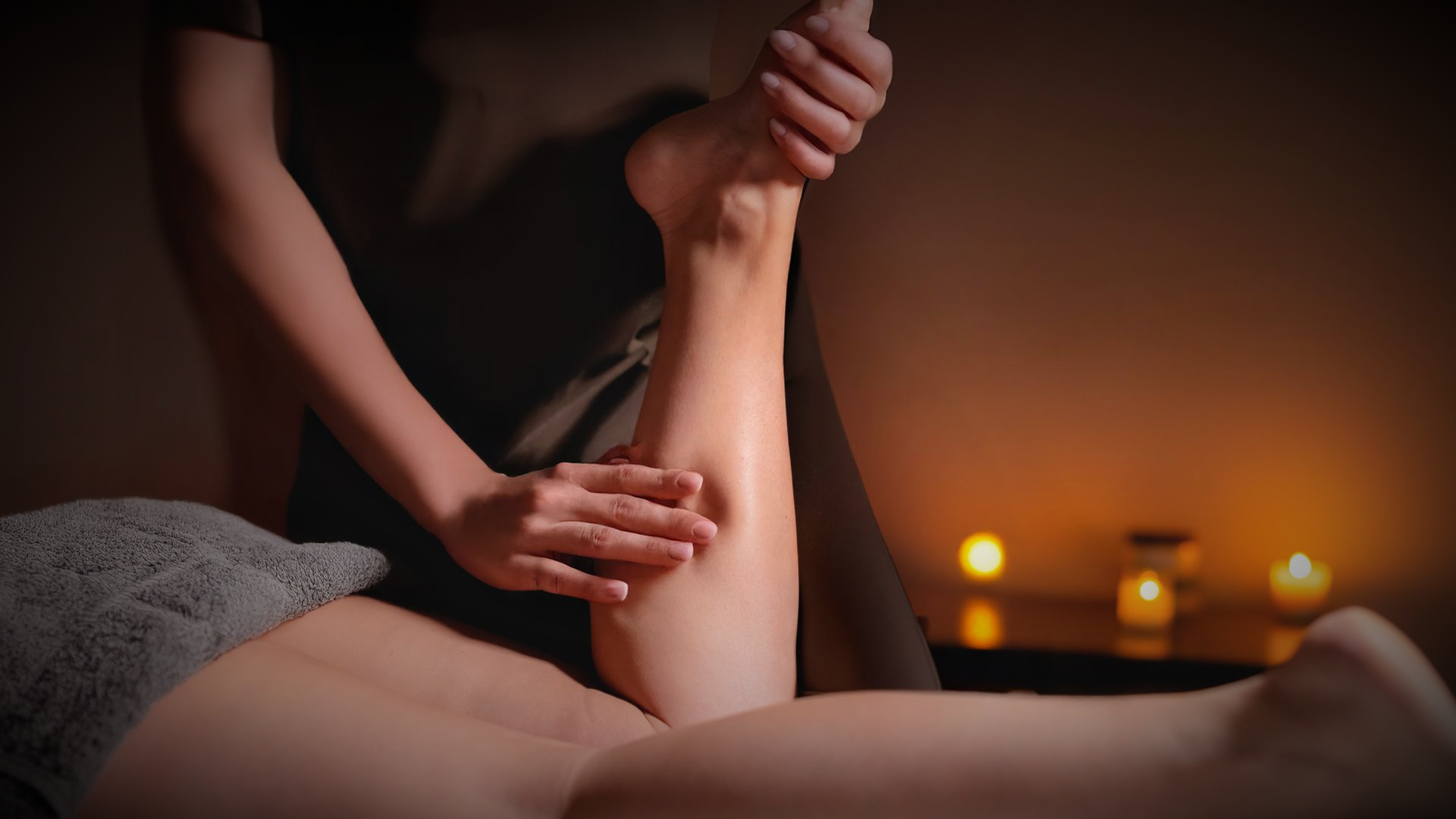
Specialised scalp massage techniques increase microcirculation to hair follicles, delivering more oxygen and nutrients required for hair repair and growth.
Follicle stimulation
Pressure-point work and focused massage stimulate dormant follicles and help shift hair from shedding phases toward growth phases.
Reduced inflammation and sebum balance
Gentle, targeted treatments calm inflammation and regulate oil production — both important when medications or metabolic change unsettle the scalp’s balance.
Lymphatic drainage and reduced fluid retention
Techniques that support lymphatic flow reduce scalp swelling and remove metabolic waste products that can stress follicles.
Stress and hormonal balance
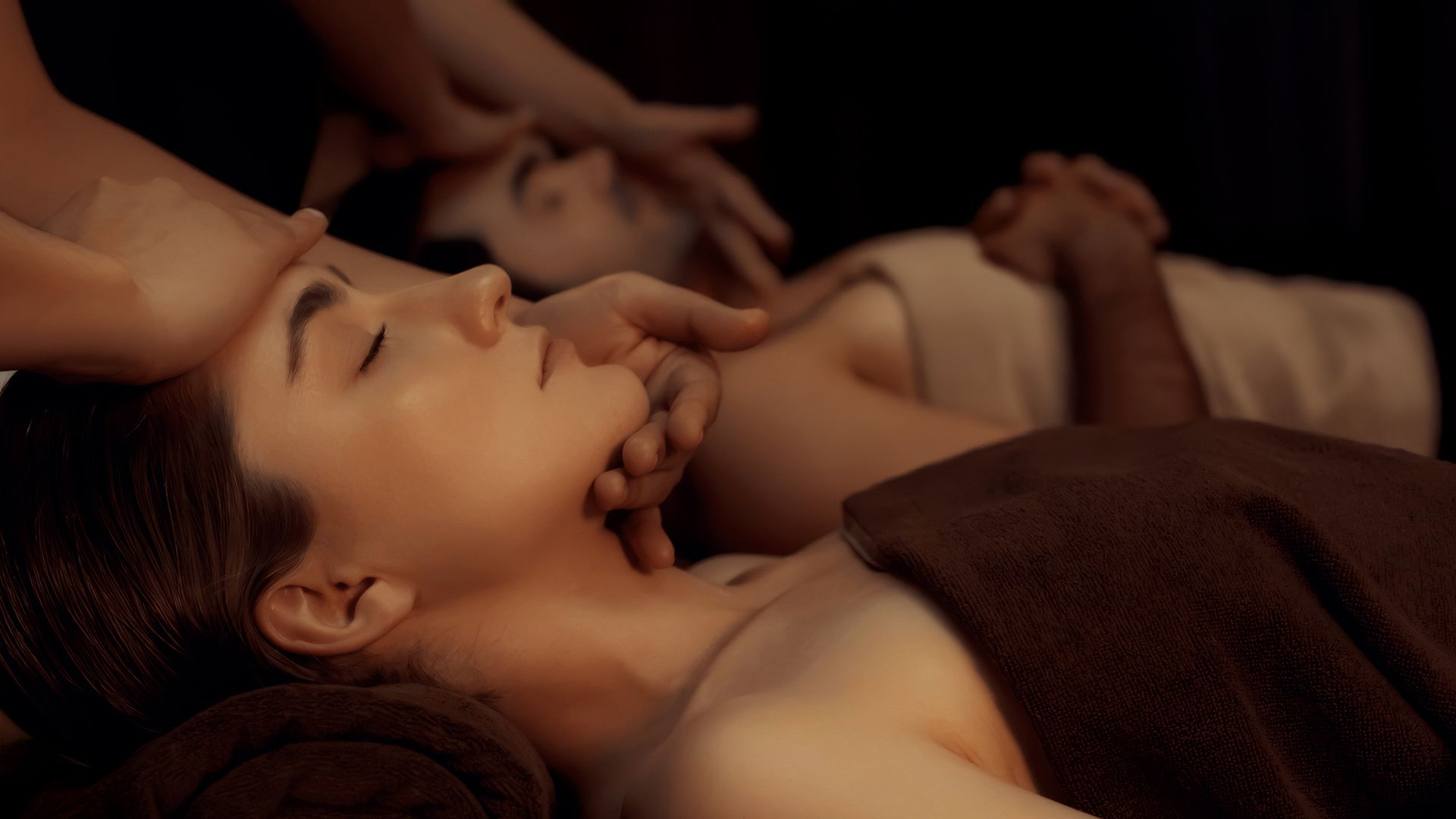
Japanese head spas incorporate relaxation rituals (massage, shiatsu, aromatherapy) that reduce cortisol and sympathetic nervous system activity, thereby lowering stress hormones and supporting hair cycle normalisation.
Nourishing serums and customised treatments
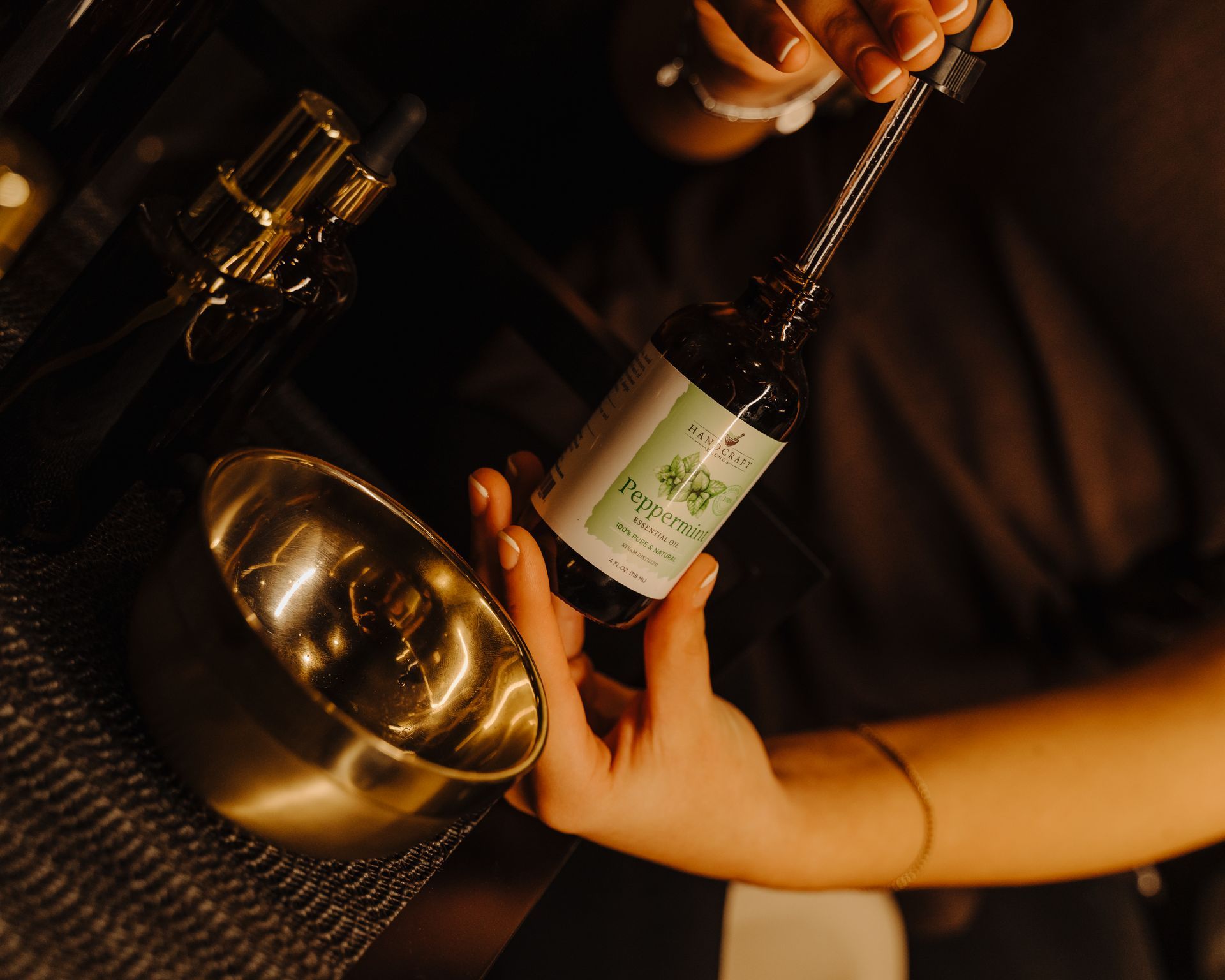
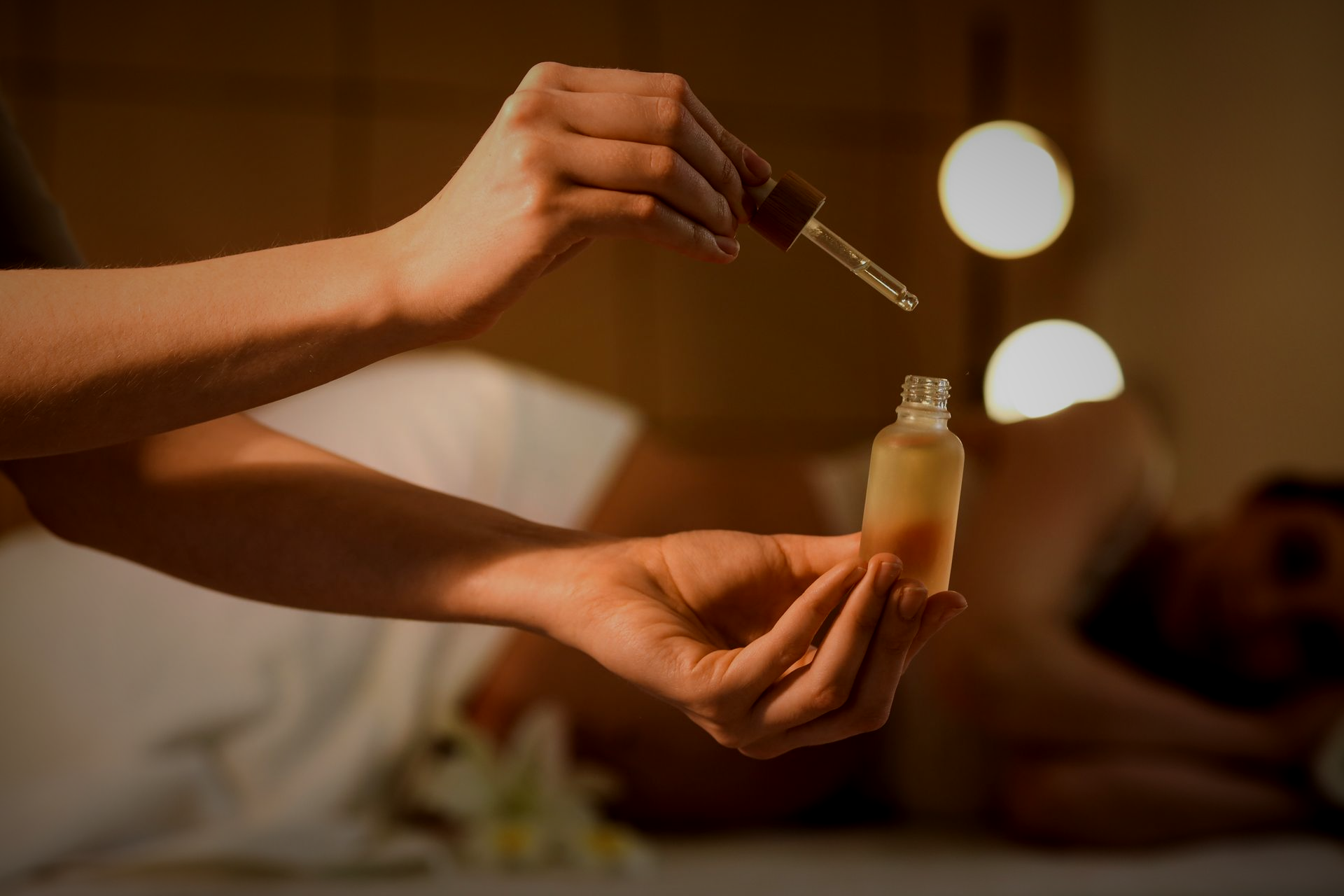
Professional-grade serums, peptides, and botanicals used in-spa can strengthen the hair shaft, soothe irritated skin, and nourish follicles more effectively than many over-the-counter options.
Why A SCALP HEALTH matters with weight-loss medication
Weight-loss GLP drugs such as Mounjaro (Tirzepatide), Ozempic, and Wegovy (Semaglutide), as well as rapid weight changes, can cause nutritional shifts, hormonal changes, or stress responses that precipitate hair shedding.
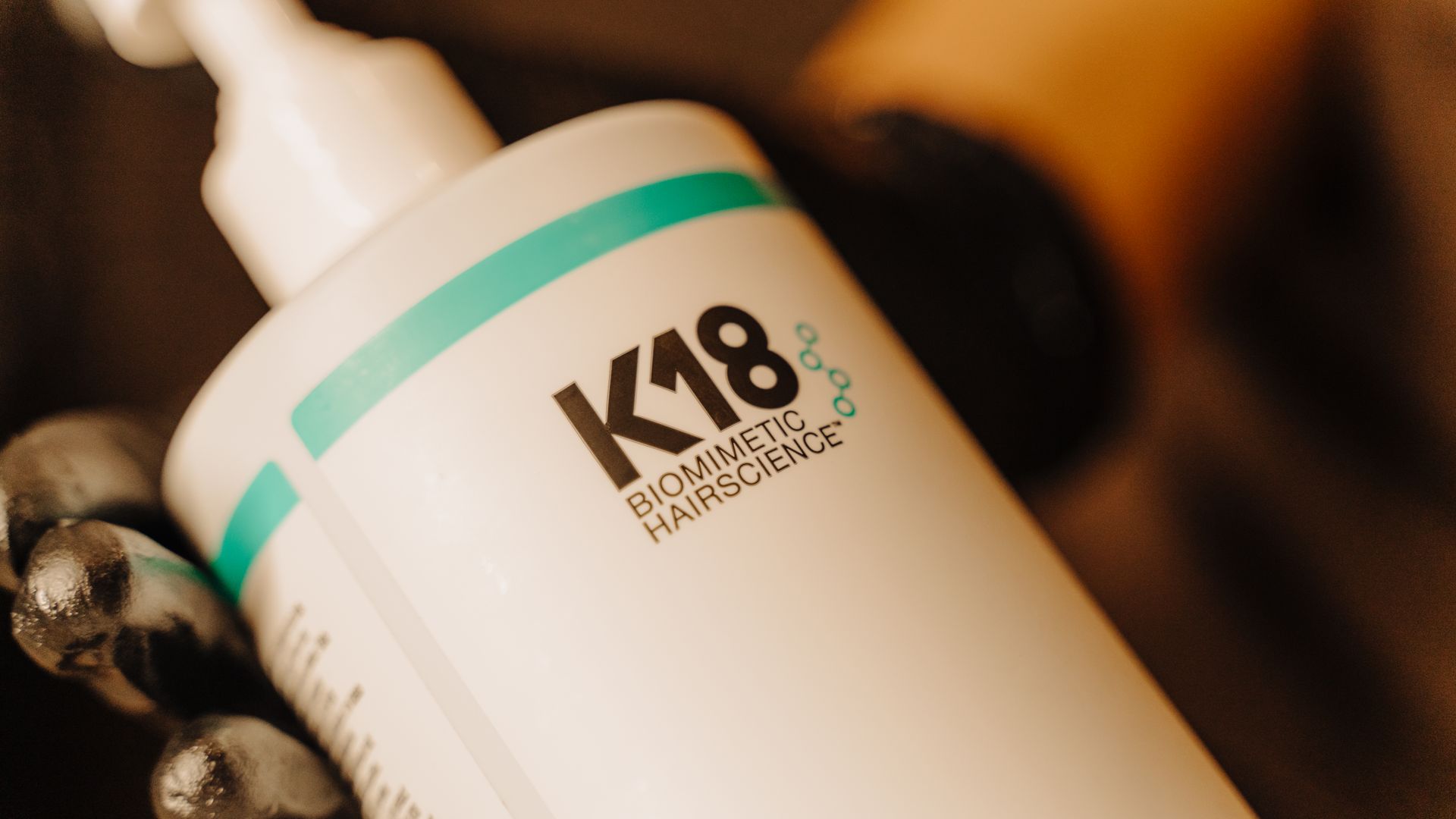
Aurah enhances its Japanese head spa rituals with professional K18 peptide treatments — a clinically developed post‑wash restorative formula that reconnects broken keratin chains to strengthen and repair hair from the inside out. Applied in‑spa after deep cleansing and scalp work, K18 products (mask and leave‑in options) penetrate the hair shaft to restore elasticity, reduce breakage, and improve overall texture, so clients leave with smoother, more resilient hair that better withstands the stresses of medication‑related shedding and rapid weight change.
While medication effects vary, improving scalp health and circulation creates an optimal environment for recovery. A Japanese head spa does not treat medication side effects directly, but it supports the scalp and hair as they recover — accelerating return to normal hair cycles and reducing the visible impact of shedding.
What to expect and recommended plan
Initial consultation
A scalp analysis to identify oiliness, dryness, inflammation, or clogged follicles and to determine the best combination of cleansing, massage, and topical treatments.
Treatment frequency
Weekly or biweekly sessions for the first 6–12 weeks often produce noticeable improvement; maintenance sessions (monthly) help sustain results.
Home care
Nutrient-rich shampoos, gentle exfoliants, topical serums, and dietary support (protein, iron, zinc, biotin as advised by your clinician) amplify in-spa benefits.
Timeline
Some clients notice reduced shedding within 6–8 weeks; significant improvements in density and hair quality typically take 3–6 months, aligning with the hair growth cycle.
Safety and medical considerations
- Always inform your clinician about hair loss after starting medication. Rule out nutritional deficiencies, thyroid or hormonal causes, and confirm whether the medication is likely responsible.
- Japanese head spas are low-risk, non-invasive treatments, but ensure your therapist is aware of any scalp sensitivity, recent procedures, or medical conditions.
Why choose Aurah’s Head Spa
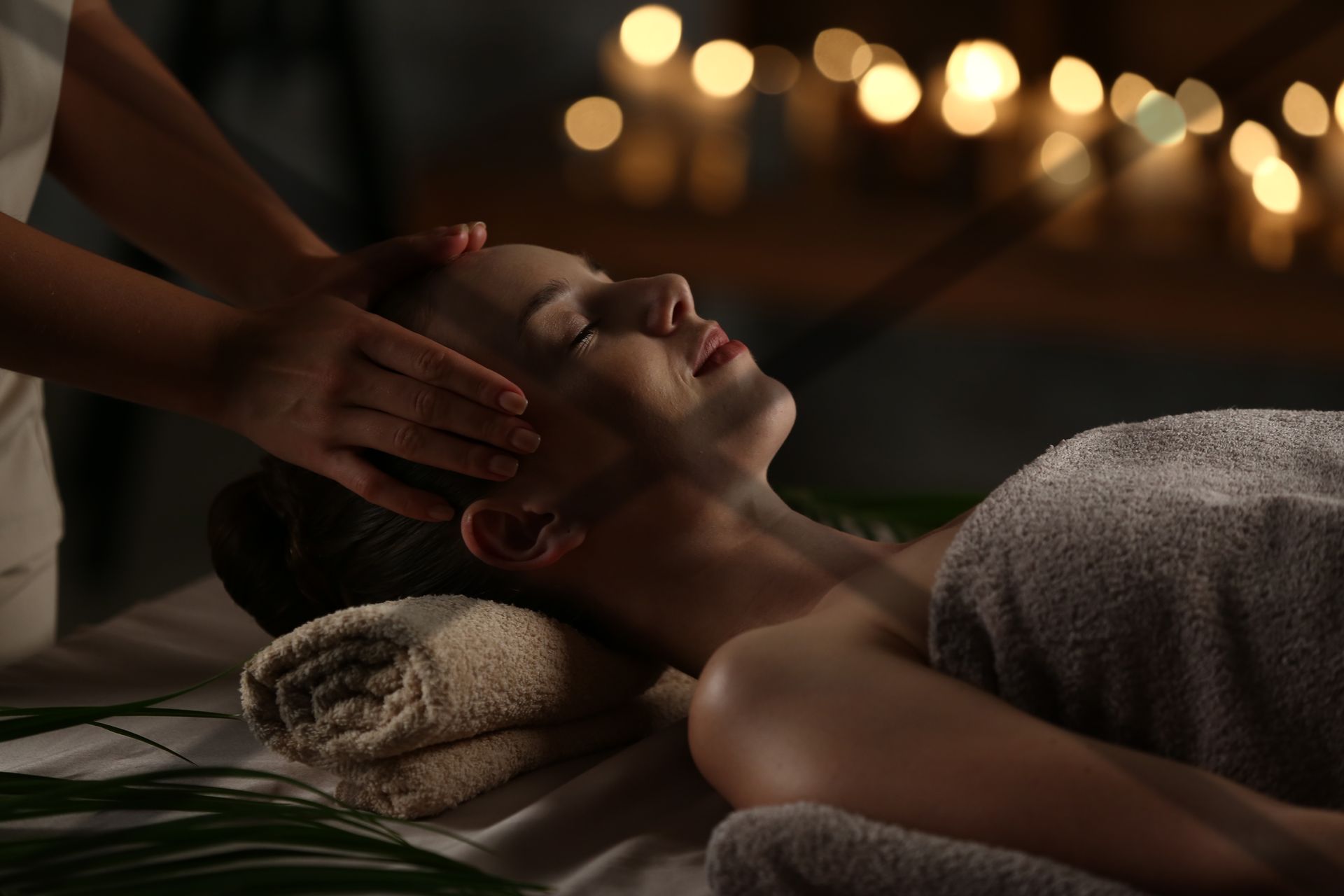
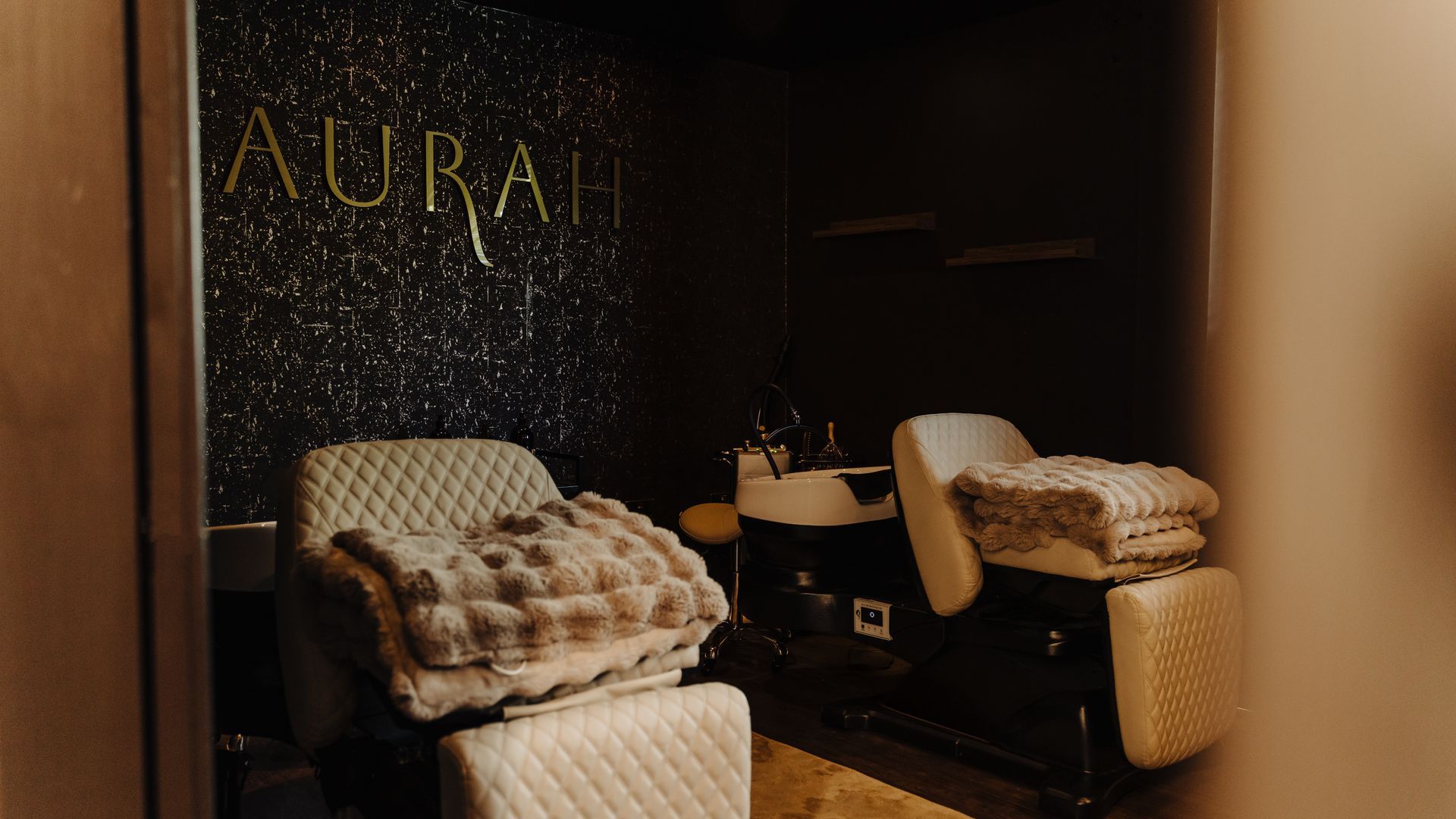
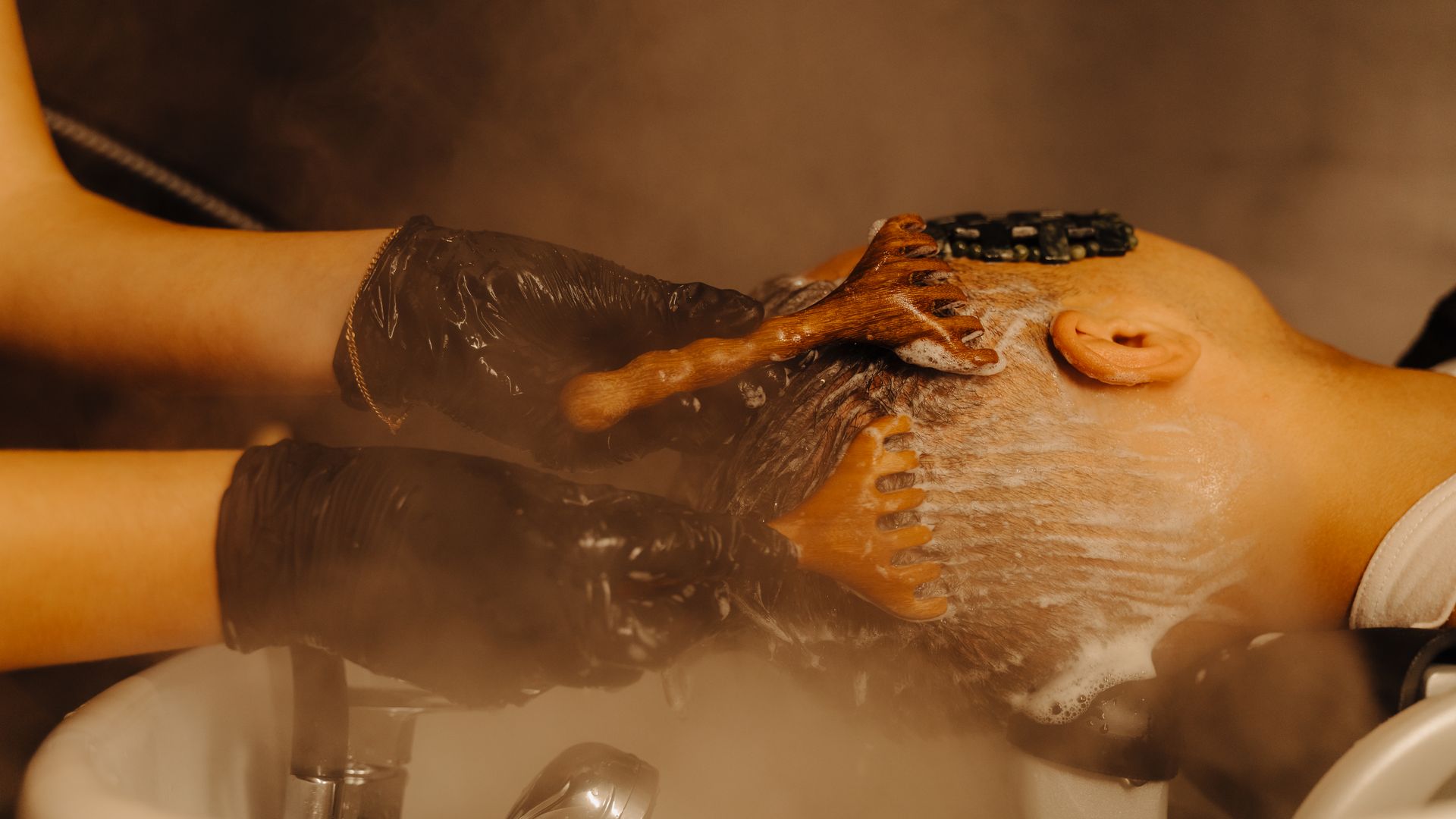
Aurah’s luxury head spa in Prestwick, Ayrshire, offers expert scalp assessment, bespoke Japanese head spa rituals, professional-grade serums and relaxing therapies delivered in a calming luxury environment. Our fully-trained therapists combine proven scalp science with restorative rituals to help clients rebuild healthier hair and soothe scalp concerns caused by medication or rapid weight changes.
GLASGOW AND AYRSHIRE HAIR REGROWTH SUPPORT
If you’re in Ayrshire or the south of Glasgow and noticing hair loss since starting a weight-loss medication,
book a scalp consultation at Aurah to get a tailored Japanese head spa plan. Pair in-spa treatments with medical advice and targeted home care for the best chance of restoring hair health.
Frequently Asked Questions About WEIGHT LOSS HAIR LOSS
Can weight‑loss medications cause hair loss?
Yes — reports and analyses show that some modern weight‑loss medications (notably GLP‑1 agonists such as semaglutide and tirzepatide) have been associated with new‑onset hair shedding in real‑world datasets and literature reviews. This type of shedding is most often consistent with telogen effluvium (a temporary, diffuse shedding that follows a physiological stressor).
What is telogen effluvium and how long does it last?
Telogen effluvium is a temporary shift of hairs into the resting (telogen) phase that produces diffuse thinning and increased shedding. It typically appears 2–3 months after the triggering event and resolves for most people within about 3–6 months once the trigger is addressed or the body adapts. Clinicians evaluate history, scalp exam and may run blood tests to rule out nutritional or thyroid causes
How can a Japanese head spa help scalp and hair health?
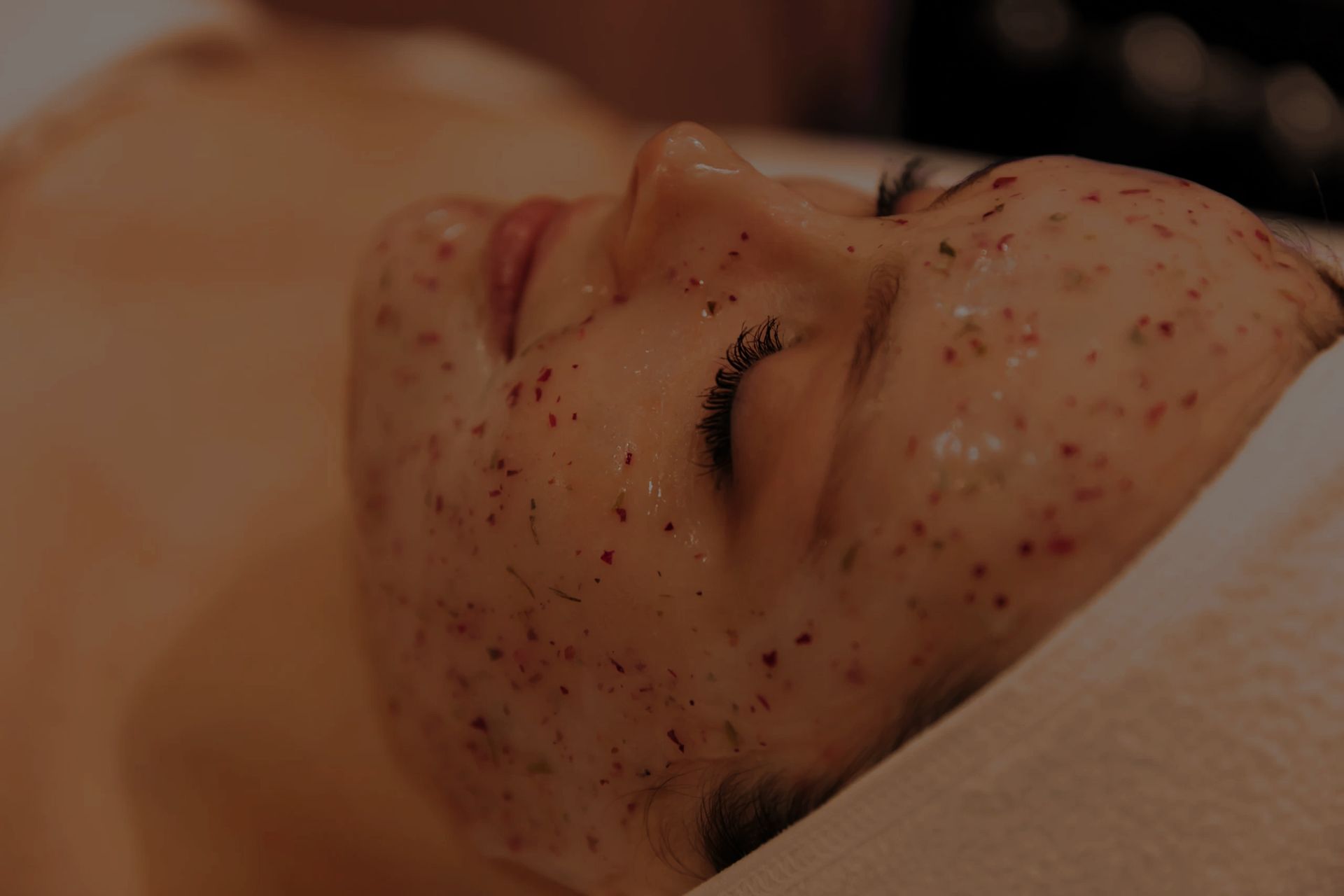
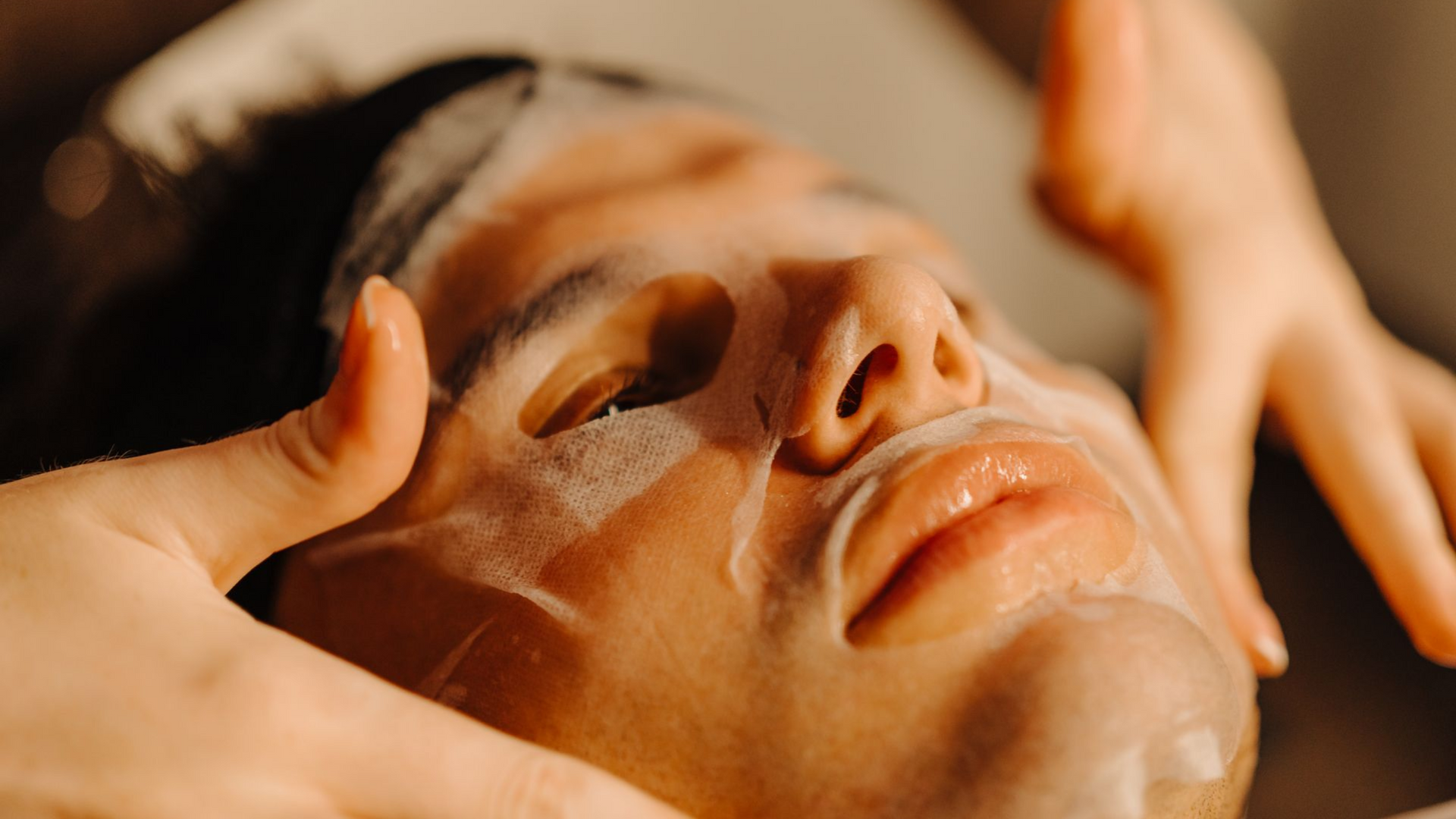
A Japanese head spa combines professional scalp cleansing, exfoliation, targeted massage and nourishing topical therapies to remove buildup, improve scalp circulation and reduce scalp tension — all of which create a healthier environment for hair to grow. Aurah's treatment includes customised cleansing, steam, scalp scrubs and ritual massage designed to unclog follicles and encourage circulation. Small controlled studies support that mechanical scalp stimulation can increase hair shaft thickness and upregulate growth‑associated genes in follicle cells.
Will a head spa stop hair loss from my medication?
A head spa cannot change the systemic effects of a prescribed medication. However, by improving scalp health, circulation, and the follicular environment, it can support recovery from telogen effluvium and help hair look and feel stronger as you recover. Always discuss medication‑related side effects with your prescriber before making changes to your treatment.
What is K18 and why do you use it in the spa?
K18 professional products use a proprietary peptide (K18PEPTIDE™) designed to biochemically interact with damaged keratin chains to restore hair elasticity and reduce breakage. In a salon/protocol context (as offered in Aurah’s K18 Plus treatment), K18 chelators, molecular repair mist, and mask are applied after cleansing to repair hair-shaft damage and improve strength and texture.
How often should I book treatments to support regrowth after medication‑related shedding?
Aurah recommends monthly or seasonal bookings depending on needs; for people recovering from telogen effluvium, more frequent care (every 1–2 weeks in the early months) can help manage scalp congestion and maintain follicle health, with monthly maintenance thereafter. Note recovery from shedding itself commonly takes several months (3–6 months) as follicles return to the growth phase.
Is there clinical evidence that scalp massage or spa protocols help hair recovery?
Clinical evidence is encouraging but limited. A controlled study found that standardised scalp massage increased hair shaft thickness over months, and laboratory work suggests that mechanical stretching of dermal papilla cells can trigger growth‑related gene activity.
Are head‑spa treatments safe if I’m on medication or have scalp sensitivity?
Generally, yes — Japanese head spas are non‑invasive and low‑risk. However, always tell your therapist and your healthcare provider about medications, recent procedures, scalp conditions (rashes, infections), or medical issues. If a medication is suspected to be causing significant hair loss, consult your prescriber and/or a dermatologist for testing and management before relying solely on cosmetic treatments.
What else should I do at home to support hair while losing weight or on medication?
Follow your prescriber’s advice and consider these evidence‑based steps: maintain adequate protein intake, check and correct deficiencies (iron, vitamin D, zinc, B12, thyroid where indicated), avoid extreme crash diets, minimise harsh styling/chemical trauma, and consider topical minoxidil or other dermatologist‑recommended options if appropriate. In many cases, telogen effluvium improves once the trigger and nutritional status are addressed.
Where can I learn more or book the K18 head‑spa at Aurah?
BOOK NOWDetails of Aurah’s Japanese Head Spa menu and the K18 Plus (deluxe K18 head spa) protocol—including step‑by‑step treatment components—are listed on Aurah’s head‑spa page. For appointments or specific product questions, contact Aurah directly through our booking and contact channels.
SHARE THIS PAGE